
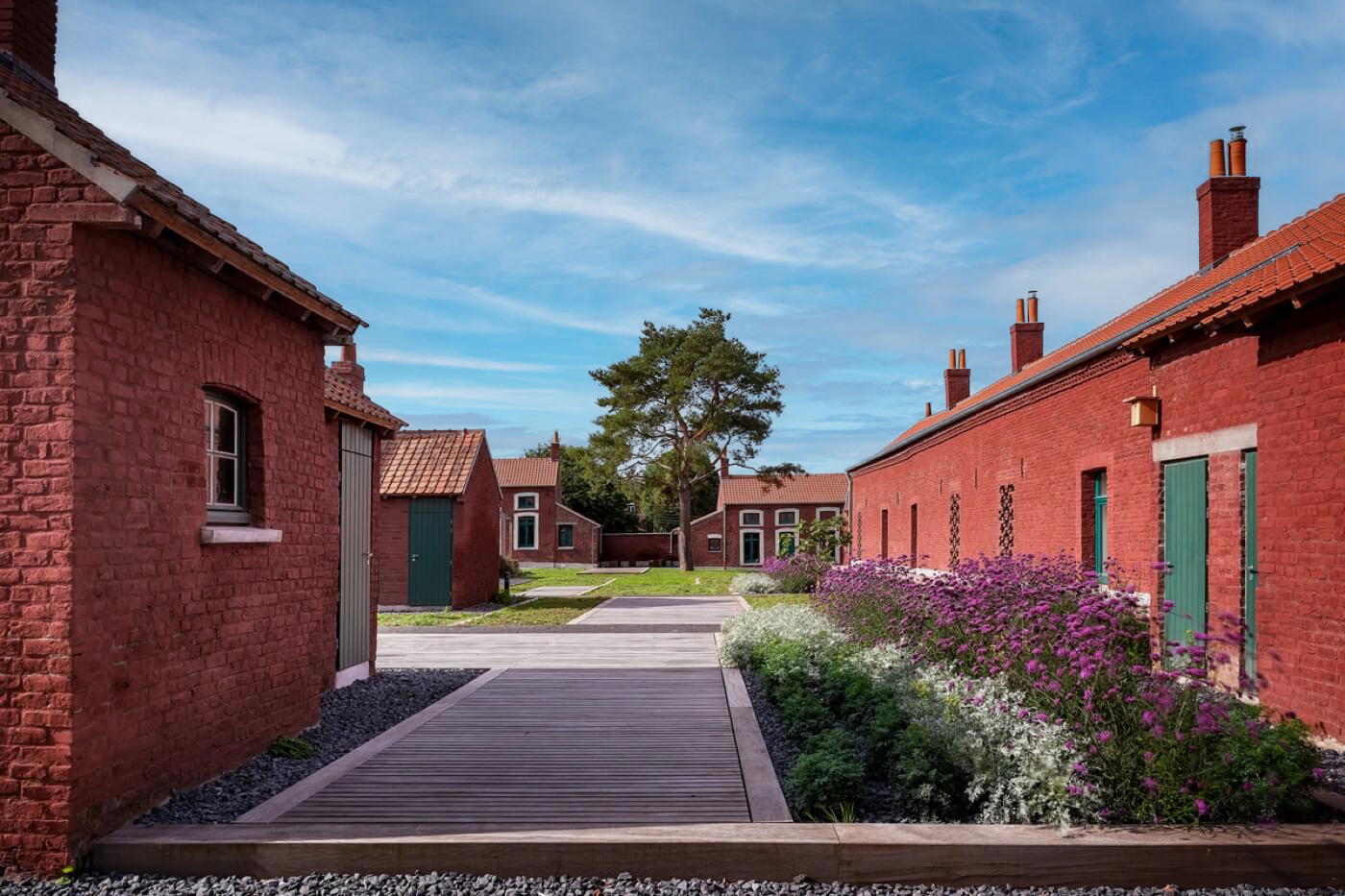
The landscape here worked for its living.
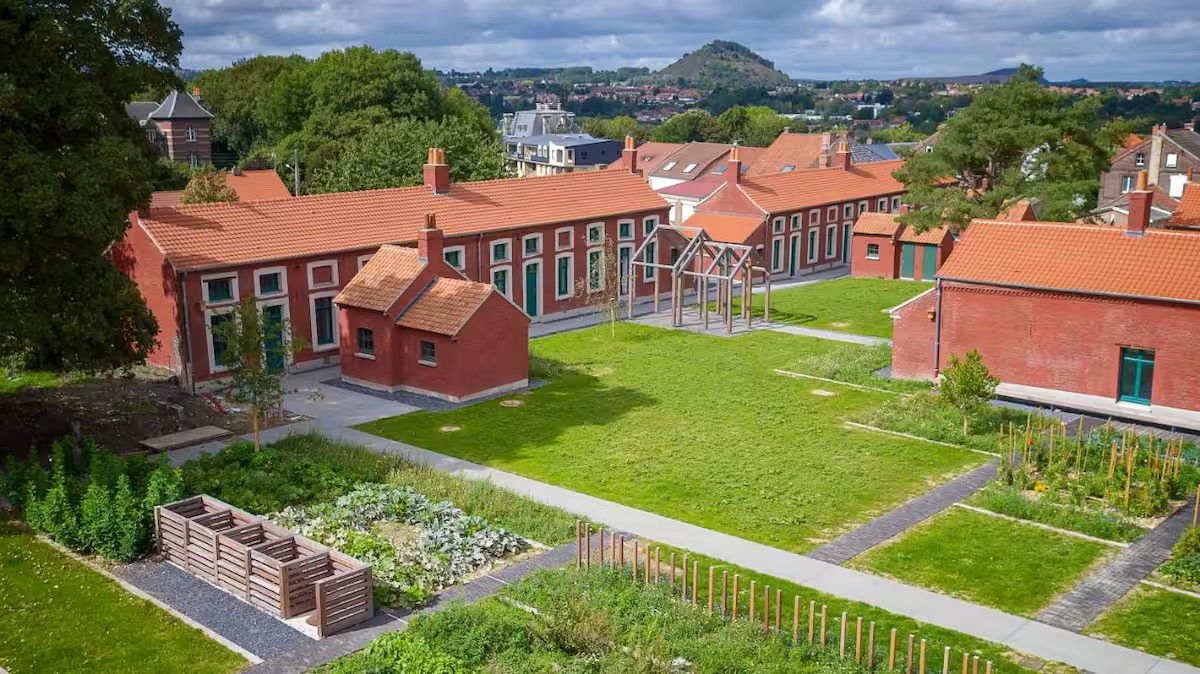
La Cité des Électriciens sits tucked into the town of Bruay-la-Buissière — a cluster of nineteenth-century miners' cottages arranged around voyettes and kitchen gardens, their brick façades unchanged since the Bruay Mining Company built them in 1856. The site is a UNESCO World Heritage landmark, part of the Nord–Pas-de-Calais mining basin, and it carries the specific gravity of a place that has housed real lives across more than a century and a half. Each cottage has a name. The streets are named after the inventors of electricity — Ampère, Volta, Edison, Franklin. There is nothing performative about any of it. It simply is what it is: one of the most intact working-class settlements in France, now quietly converted into somewhere you can stay and think.
Two sessions anchor the weekend. A long communal dinner cooked in-house, a slow breakfast, a walk through the flat open terrain of the Artois, and a masterclass in a group of four. The structure is deliberately loose. The Cité does not need filling up with programming — its presence is enough. You arrive carrying the week. By Saturday morning, most of that weight has somewhere else to be.
What’s included
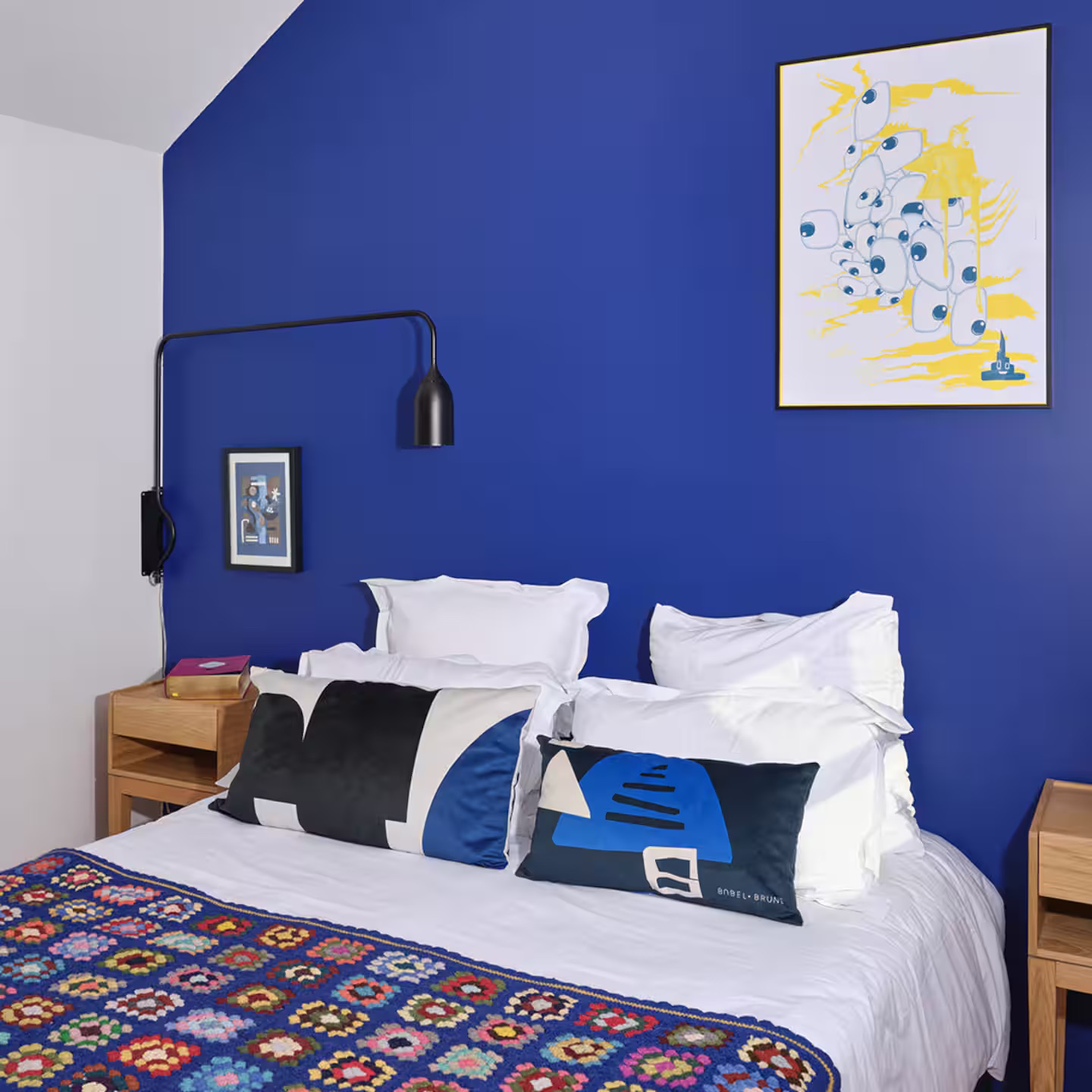
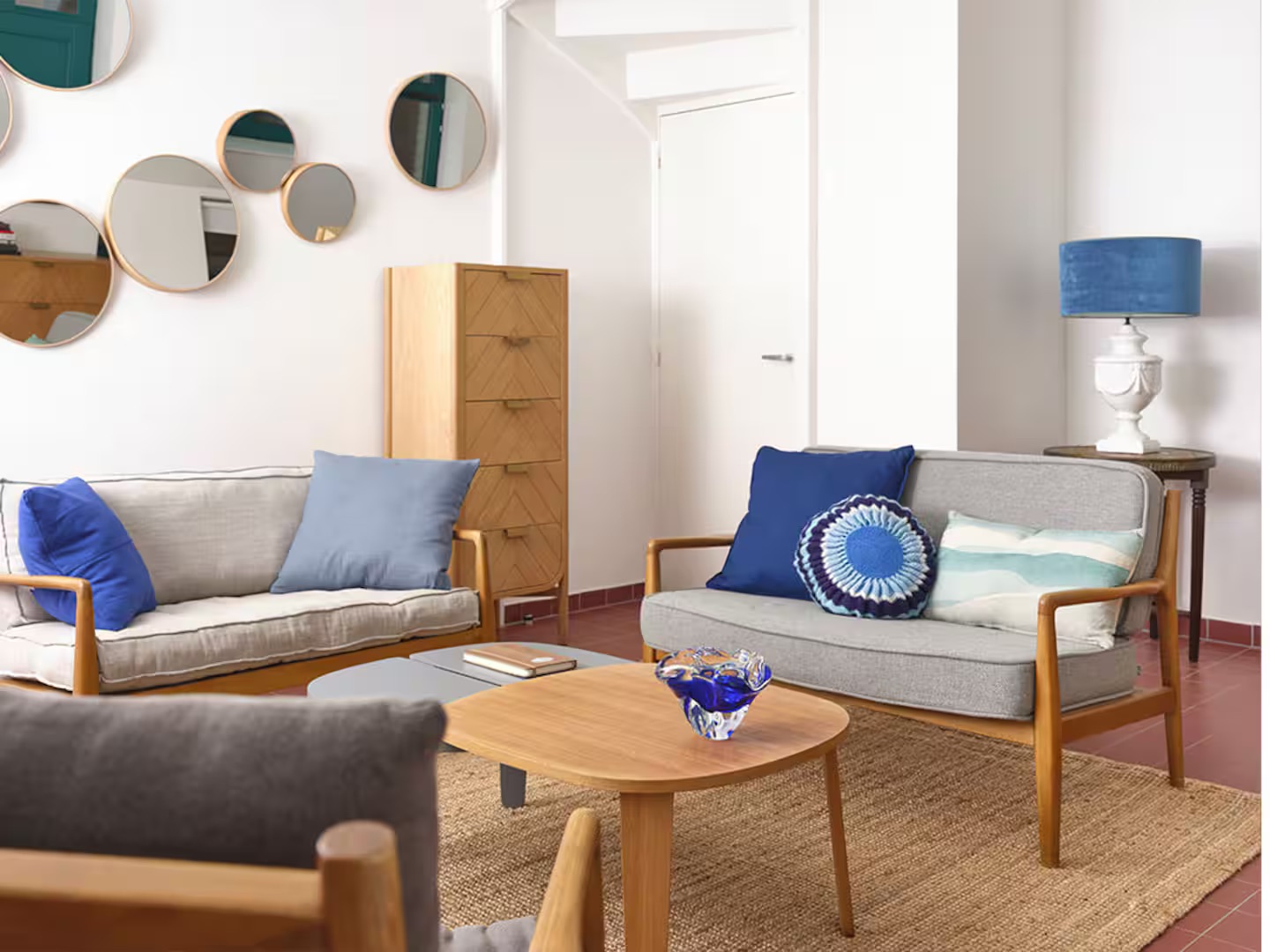
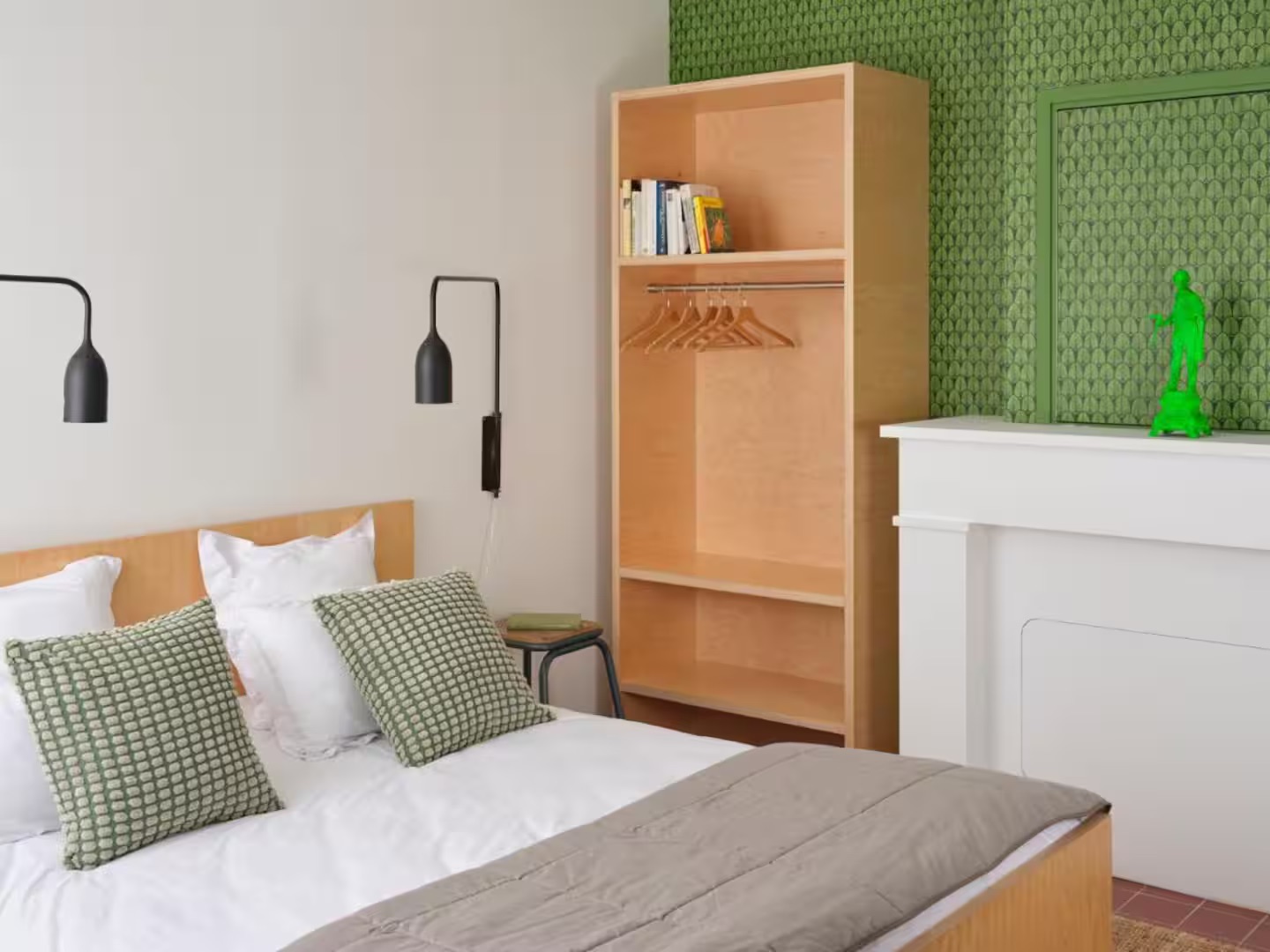
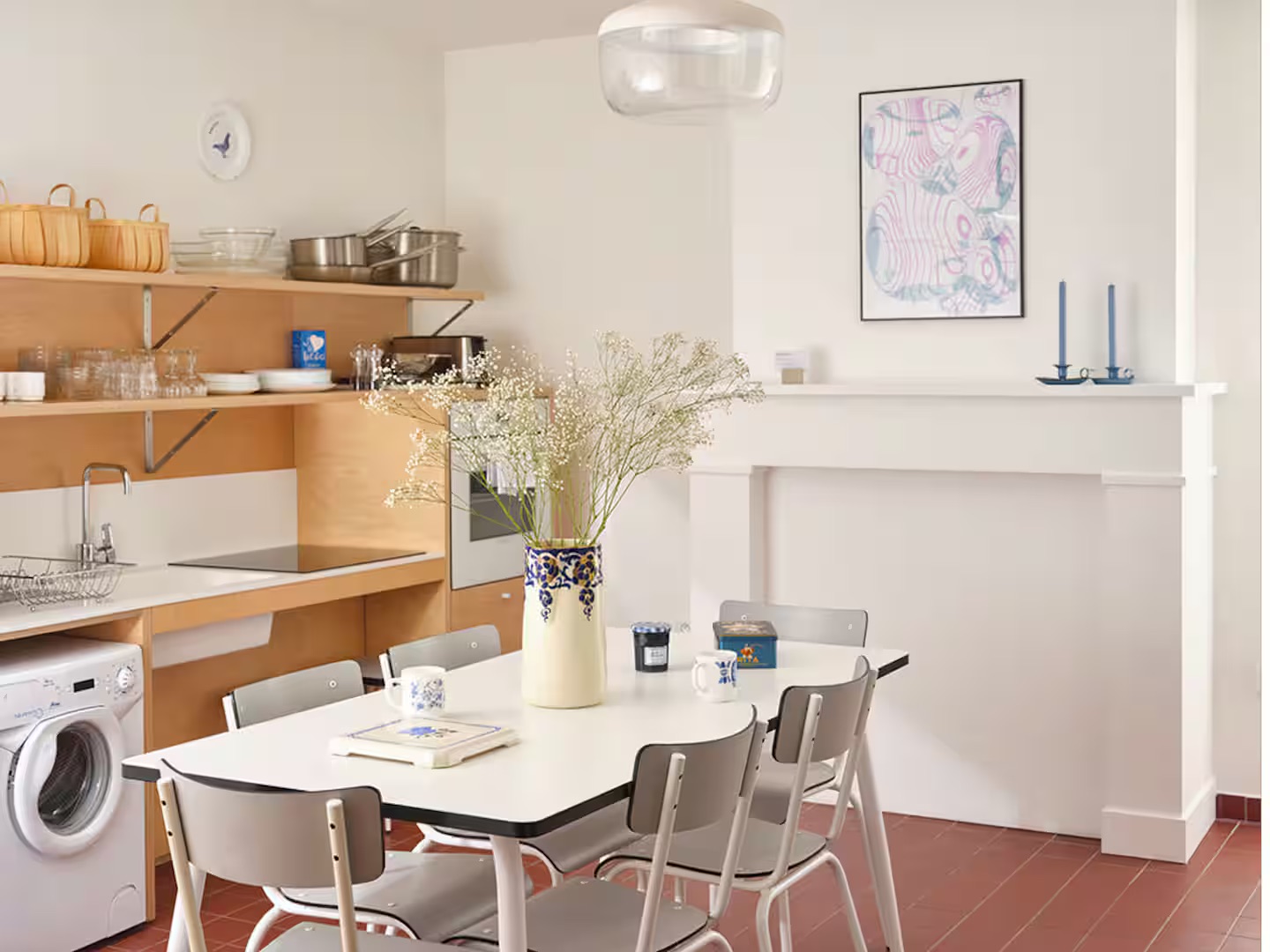
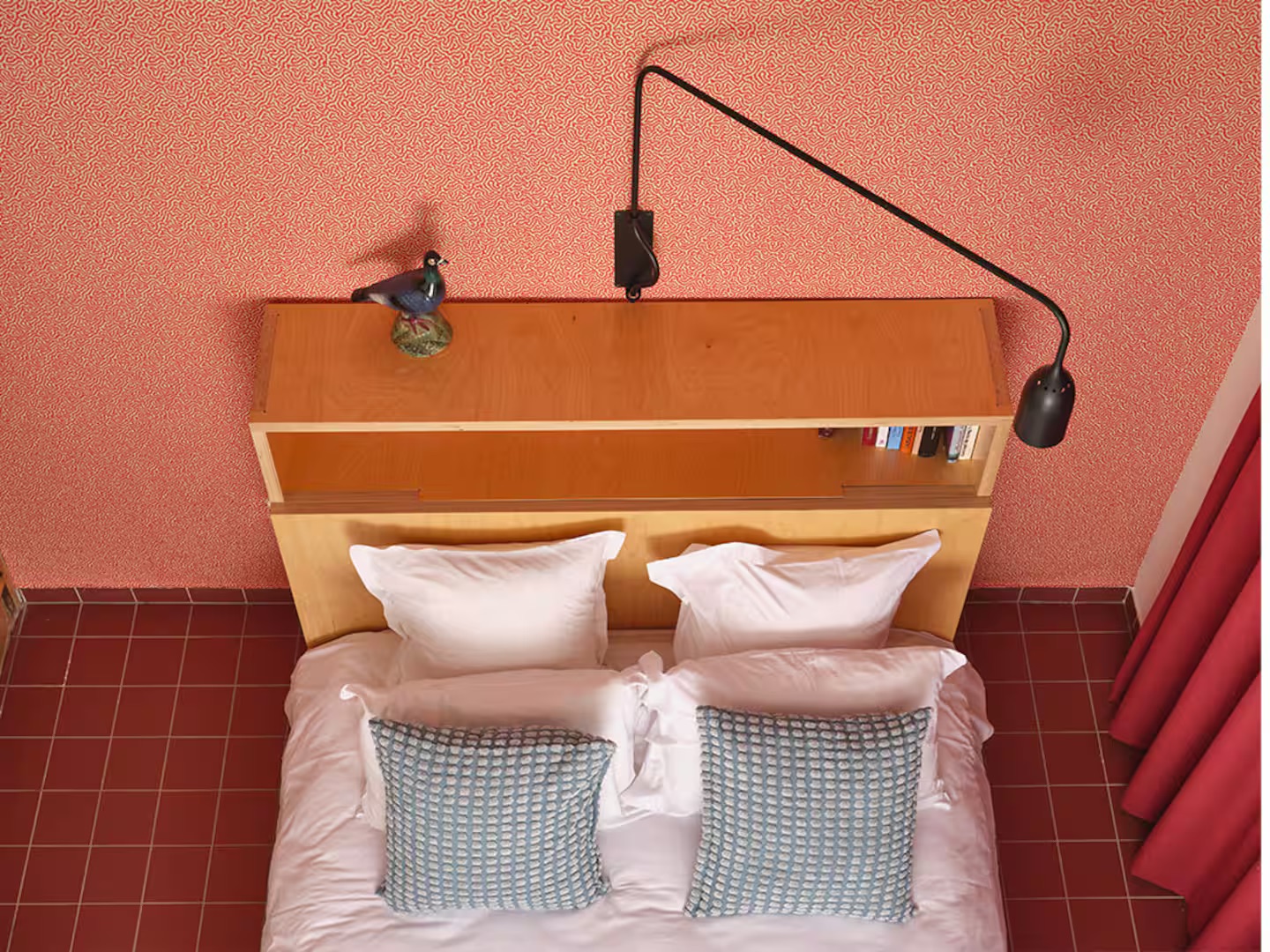
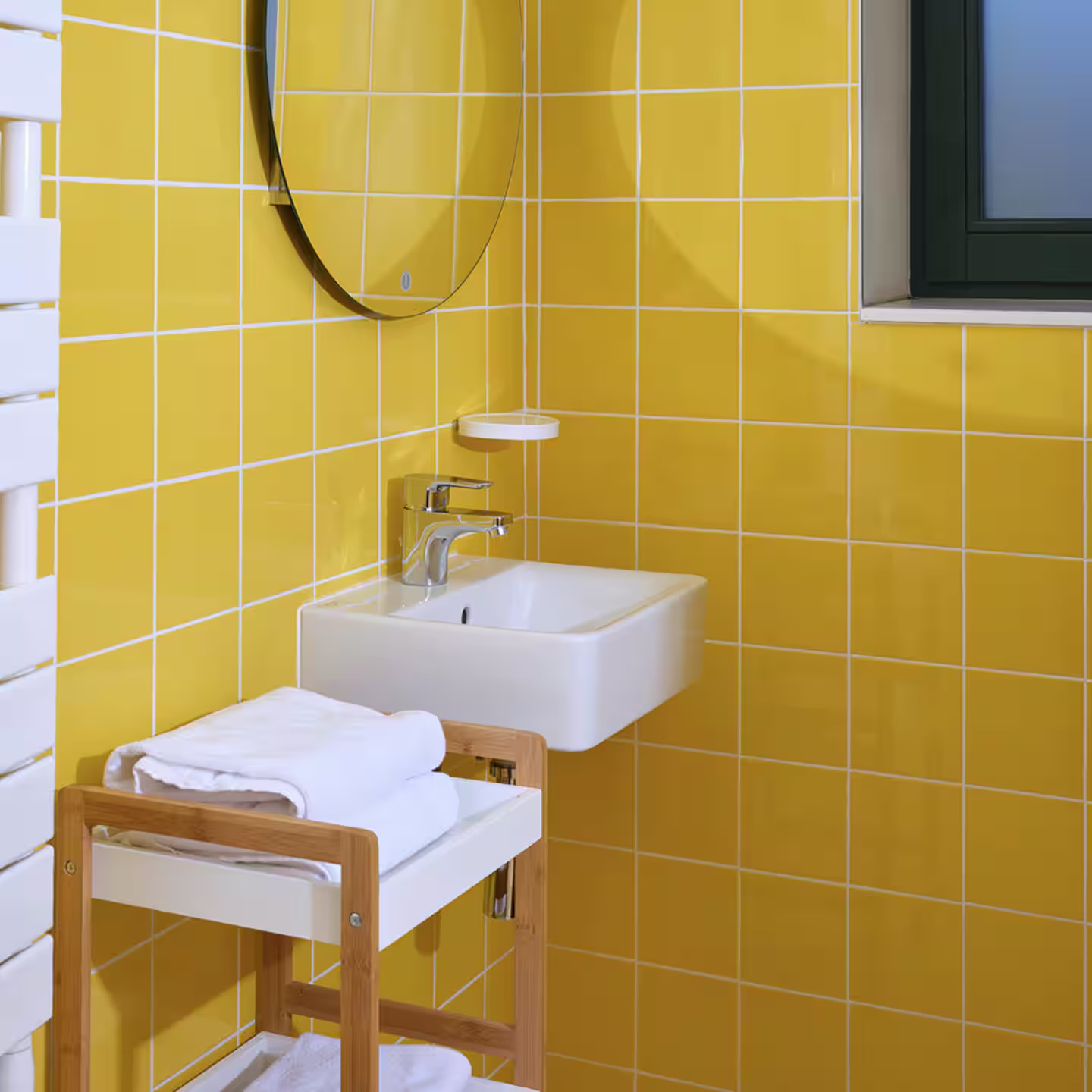
- Two nights across five independent cottages at La Cité des Électriciens
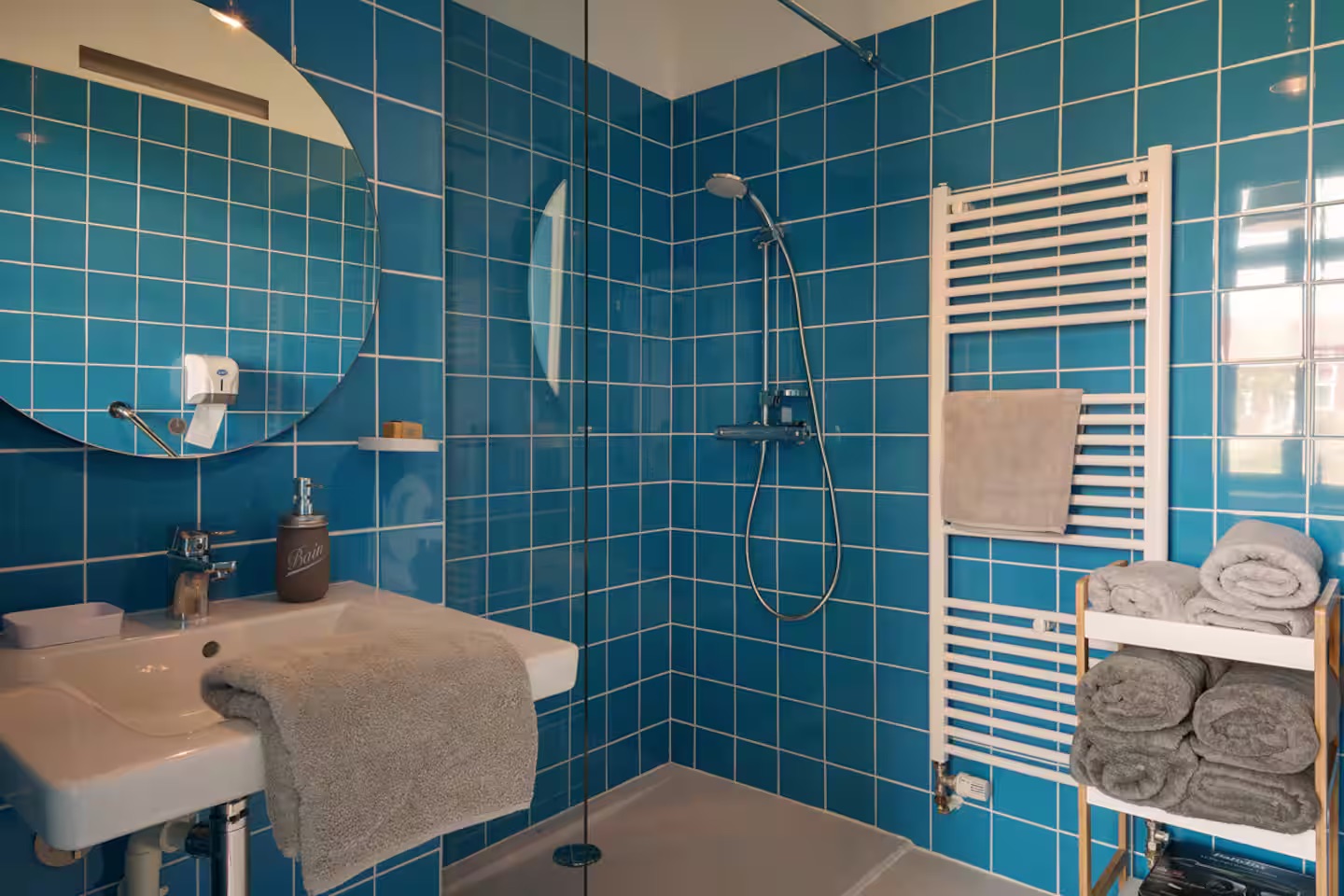
- All meals — including a welcome dinner, breakfast, and a closing lunch prepared in-house
- Two speaker sessions & one Masterclass
- A guided walk through the mining landscape & morning movement session
What’s not included
- Flights or travel to the venue
- Travel insurance
- Personal spending & extras
- Additional alcoholic beverages beyond those included
Schedule
Day 1
Arrive
Guests arrive through the afternoon and early evening, stepping into the network of small brick streets and pocket gardens. The five cottages are independent, so there is a natural rhythm to settling in: your own space, your own pace. The evening gathers everyone at a long table for a welcome dinner inside the Cité. A speaker opens the conversation. No slides, no formal agenda, just a thread worth following and a room that wants to follow it.
Day 2
Immerse
The heart of the retreat. The morning begins with optional movement — yoga or pilates in the shared garden — followed by a slow breakfast. A speaker session runs mid-morning, on the ground where ideas go somewhere rather than somewhere ideas go to be approved. After lunch, the group splits into two masterclasses of five: one on creative practice under constraint, one on making decisions in conditions of uncertainty. The afternoon is open. Late in the day, the group reconvenes for a guided walk across the flat, wide landscape of the mining basin — the slag heaps on the horizon, the long light of early September, the particular stillness of a terrain that has been through something. Dinner is back at the Cité. There is a surprise to close the evening.
Day 3
Integrate
A quieter, final morning designed to let the weekend settle rather than accelerate toward departure. Gentle movement, a long breakfast, a closing circle where each person names the single thing they are taking home. Checkout is unhurried. The Cité stays with you for a while after you leave — that is part of the point.
Individual
945 €
per person · all-inclusive
Accommodation in a private room, all meals, all sessions and activities, and a welcome kit. No hidden costs.
Company
1.635 €
per seat · all-inclusive
Same full experience, invoiced directly to your company. Ideal for founders and team leads booking for themselves or a colleague.
Flights and travel insurance not included.
The location
Bruay-la-Buissière, France
The Pas-de-Calais mining basin earns its UNESCO designation through persistence rather than spectacle — flat, wide, brick corons in rows, the occasional slag heap rising on the horizon like a blunt mountain. The industry ran for three centuries and stopped in 1990. What remains carries its past visibly rather than hiding it, and there is a kind of honesty to that. The Cité des Électriciens sits in a quiet quarter of Bruay-la-Buissière, ten minutes from Béthune: the oldest surviving miners' settlement in northern France, built between 1856 and 1861, painstakingly restored, its streets still named for the inventors of electricity, its kitchen gardens still there. The scale is domestic. We chose it because it asks the same question ajar asks — what happens when you put a small group of people somewhere that has already figured out how to mean something? Something clarifies.
Applications
Apply for this edition
A short form. We read every application and reply within a few days.